WELCOME TO THE
BAMBOOZOO
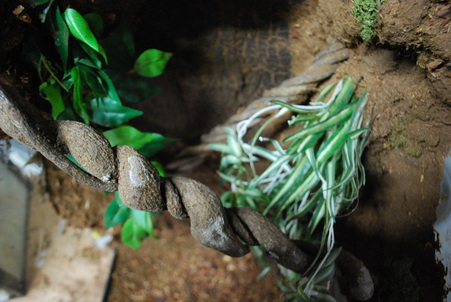
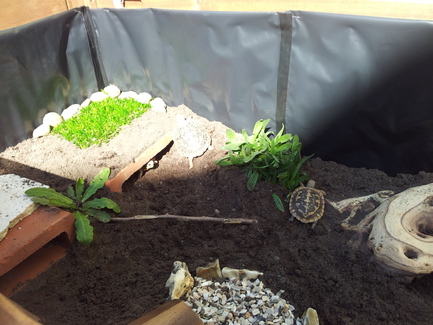
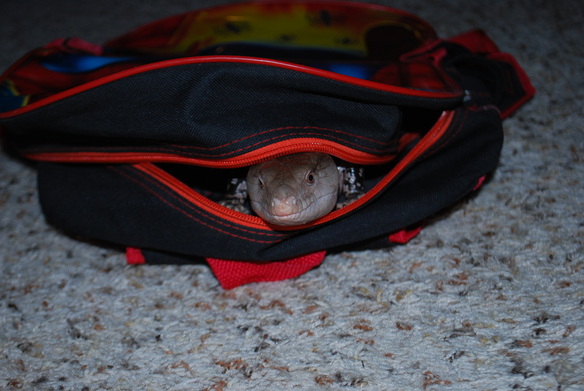
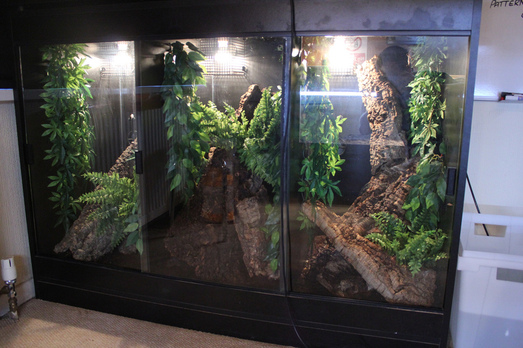
We keep a number of reptiles; lizards, frogs, toad, turtles and torts in our home, but we are not interested in breeding. We just like to live with them. We do community vivariums and work as naturally as is possible in our current situation. Living soils, running water, plants though mostly artificial. While there are many more complications to consider there is an undeniable sense of accomplishment when the environments are successful for the inhabitants. While we are a minority in the hobby of keeping reptiles, there is validity in our choices.
But we are not alone, many are looking at keeping lizards in more natural settings. We will try to pass on the knowledge we have to you and request that you please do the same in return. We are also trying to learn more about the more natural herbal treatments. We gather bugs in the yard, and branches and leaf litter. We raise a few worms. We plant our garden to the needs of the pets. We'd like to know your methods. We would also like to feature a couple of your natural environments each month.
We have broken each of our environments down to residents, heat, humidity levels, water area size and pump capacity. We have let you know what is successful here. And we will let you in on our failures as well. If you are thinking of a co-habitation situation. Think carefully, because you may be risking someone's life. Think habitat similarities ~ differences. Think lizard personality. Think stress levels and how to relieve that in co-habitation. Think hiding spots and pathways. And the basics: heat, light, food, water. Then think what am I going to do if it doesn't work? Do I have enough lights, bulbs, supplies to split them.
But we are not alone, many are looking at keeping lizards in more natural settings. We will try to pass on the knowledge we have to you and request that you please do the same in return. We are also trying to learn more about the more natural herbal treatments. We gather bugs in the yard, and branches and leaf litter. We raise a few worms. We plant our garden to the needs of the pets. We'd like to know your methods. We would also like to feature a couple of your natural environments each month.
We have broken each of our environments down to residents, heat, humidity levels, water area size and pump capacity. We have let you know what is successful here. And we will let you in on our failures as well. If you are thinking of a co-habitation situation. Think carefully, because you may be risking someone's life. Think habitat similarities ~ differences. Think lizard personality. Think stress levels and how to relieve that in co-habitation. Think hiding spots and pathways. And the basics: heat, light, food, water. Then think what am I going to do if it doesn't work? Do I have enough lights, bulbs, supplies to split them.
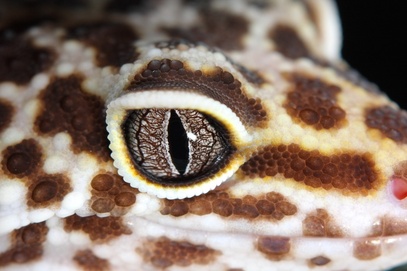
Some lizards are very versatile. Others will have a very difficult time adjusting. B&E, an Asian Water Dragon has lived with many well, his life partner a female Brown Basilisk. Beck the Giant Day Gecko also adjusts well to change and activity, as do the 5 line / rainbow skinks. My Uromastyx has not. Leopard Geckos do well with other species their size, particularly if the others are diurnal, but another ground dweller should be avoided unless differing areas can be successfully attained. A nocturnal lizard may live well with a basking lizard, as there is no association needed. A floor dwelling lizard can live well with a tree dwelling one.
All of our lizards are under housed, and when we retire and move we will improve their situations, but our environments will never be of proper size. I cannot supply the male Eclectus with a 40 square mile range....nor is it likely that the pigmy hedgehog will ever be able to roam 250 square yards. Not to mention the 100 mile flying range for the Macaws. What we create can never compare.
We will not be a forever home for our parrots. At 48 years of age they will hopefully outlive our ability to care for them. And to that end we want them to find a home that is committed to a long term relationship. Birds are re homed for only a few reasons: biting, screaming, untamed, too needy. We hope to be able to teach ours what is acceptable behaviour. They are intelligent enough to learn.
While this started out as a personal expression of my husbandry experiences the site has grown past that direction. As a small forum moderator I am hearing of the experiences of other keepers, the challenges they are facing and how they are handling them. It is there that I am learning of the many varied questions keepers are having trouble finding the answers for. I hope to be able to maintain my committment to the site and the growth of knowledge for the community.
I would also like to acknowledge my husband. Who is so tolerant of my obsessions and the one who foots the bill. He often walks in after a 12 hour shift to plants and dirt, sand and rocks, birds yelling, dogs jumping and no meal to be seen. You are my hero, Chris.
We hope you find our site helpful.
Come on in, I'll show you around...
VISITORS TO THIS SITE: 113,254 Since April 24, 2008
(UPDATED MONTHLY)
(UPDATED MONTHLY)
Viewed in 82 countries this month.
Highest no. of visits in a day: 1024
Published pages: 193